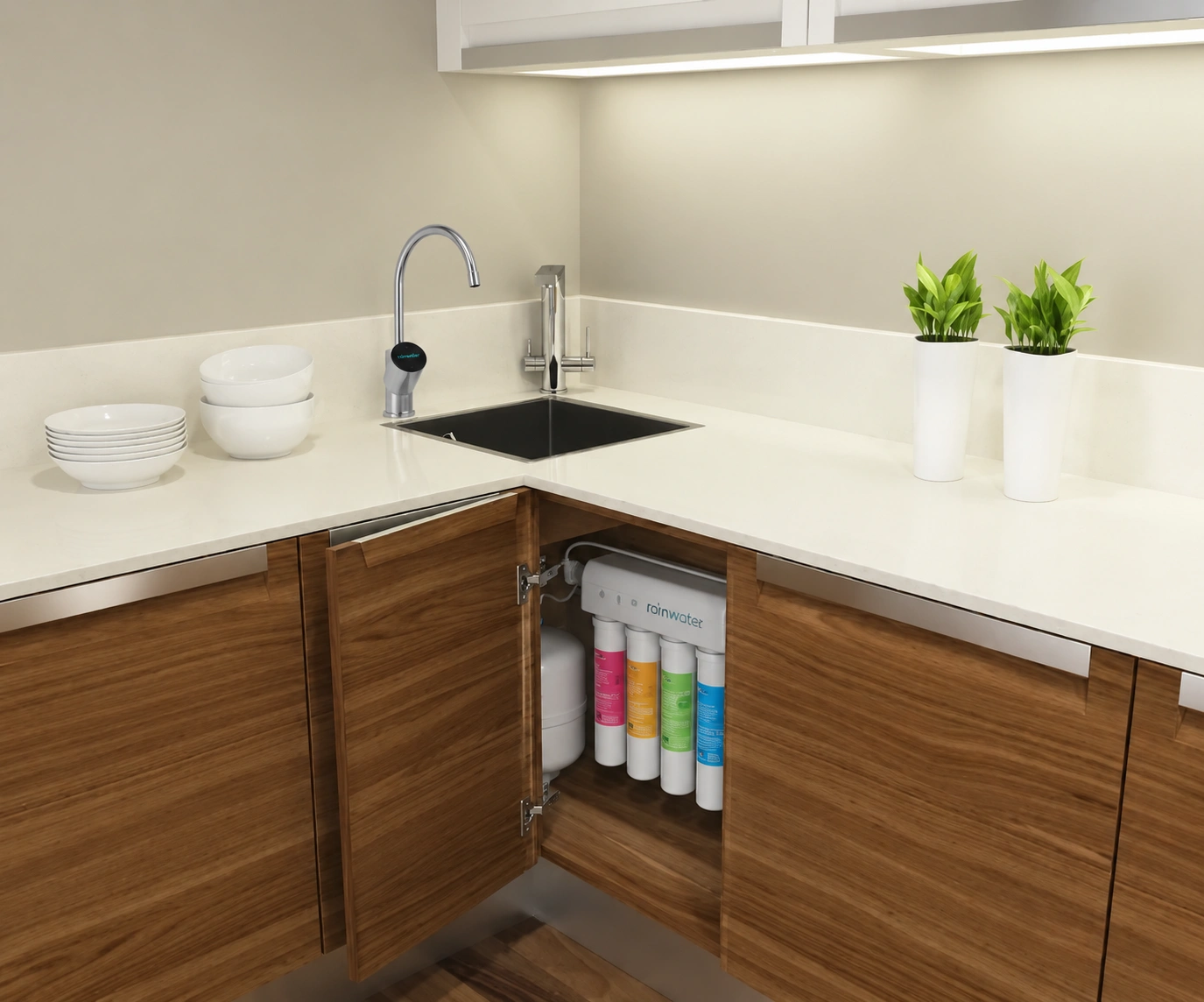
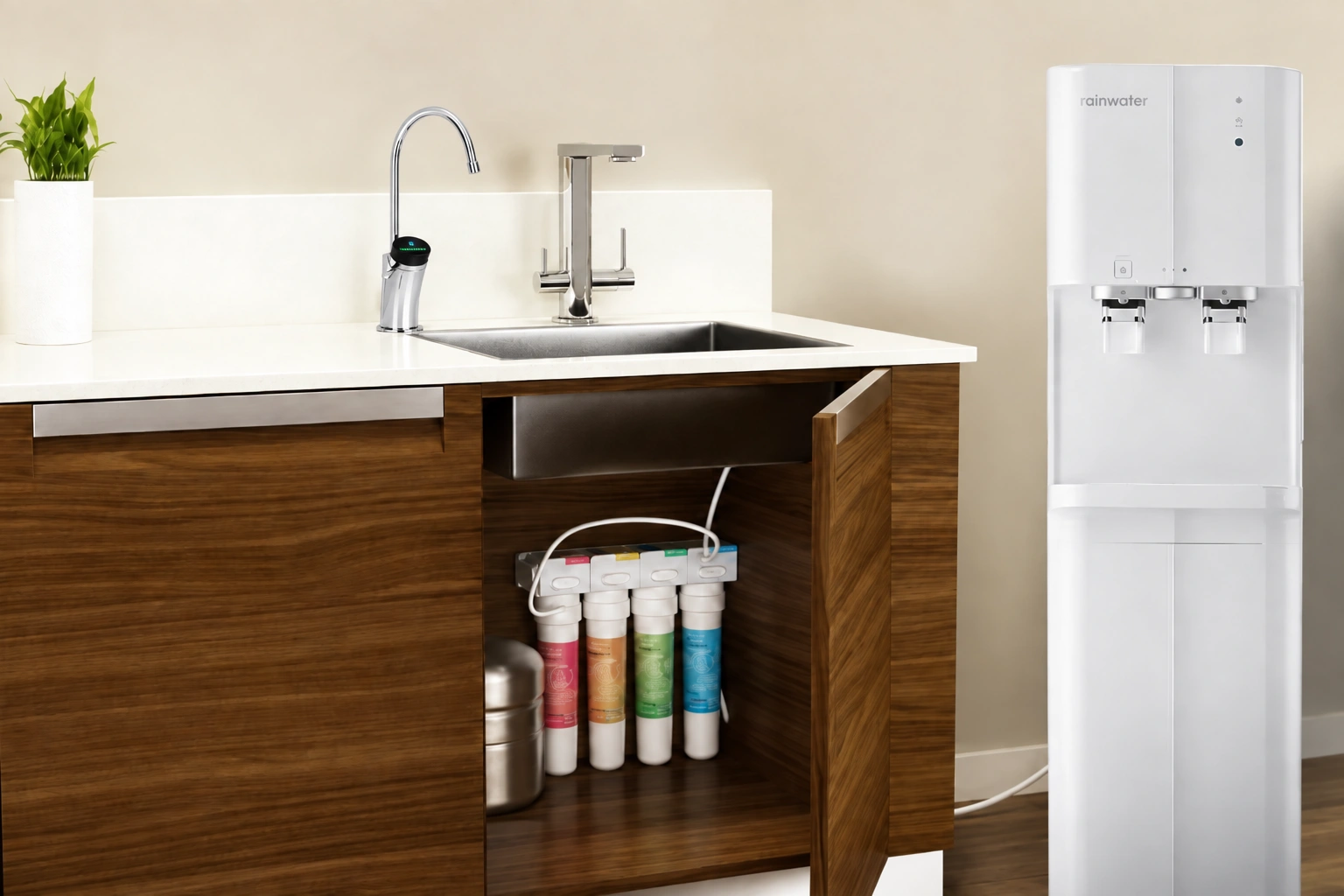
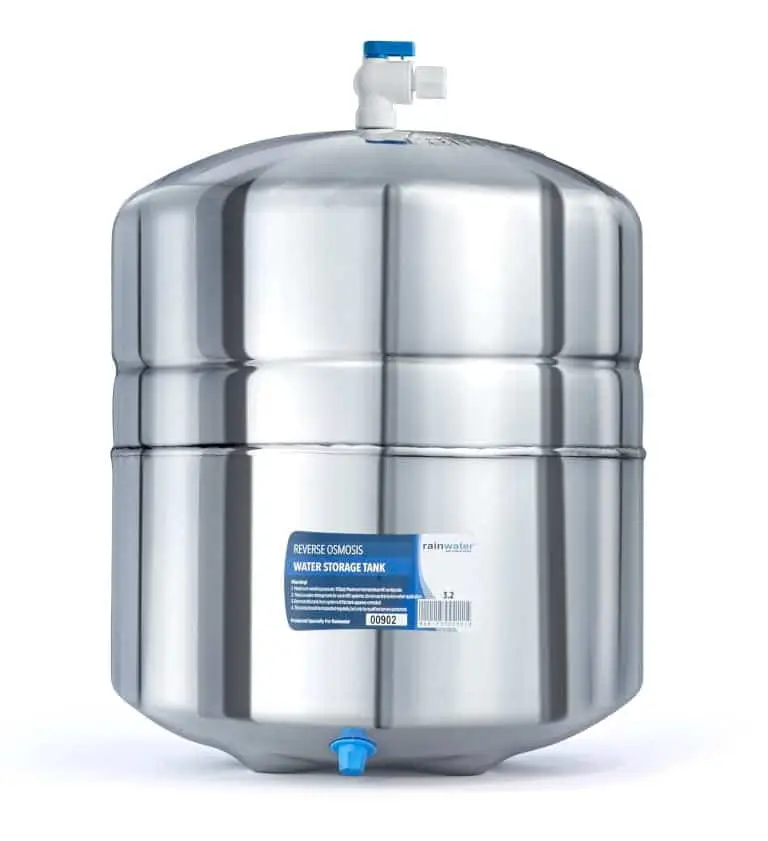
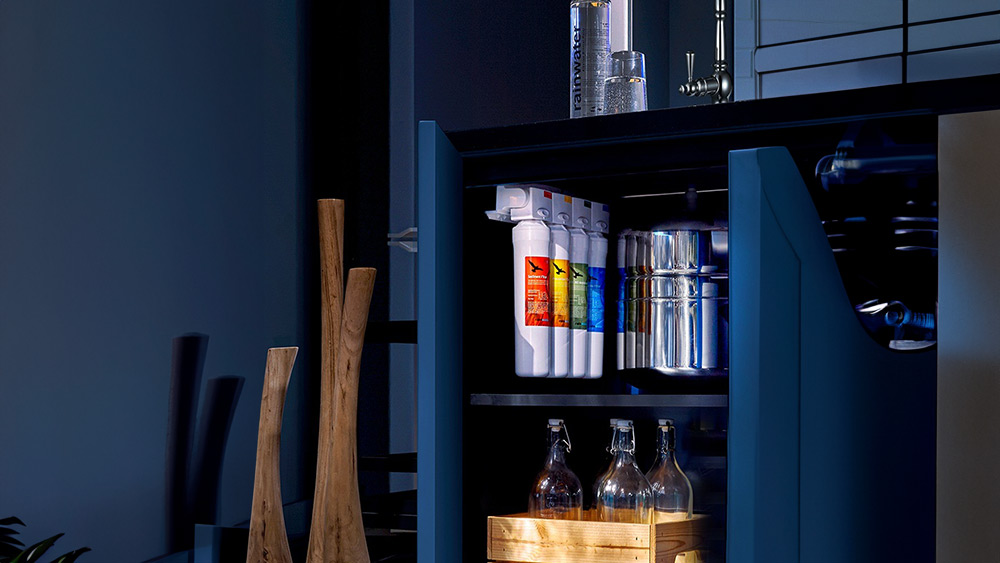
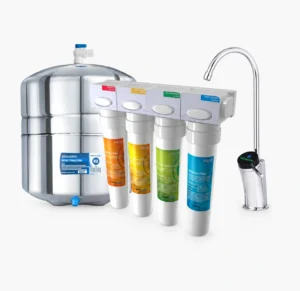
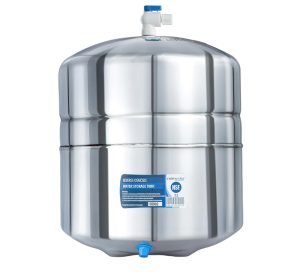
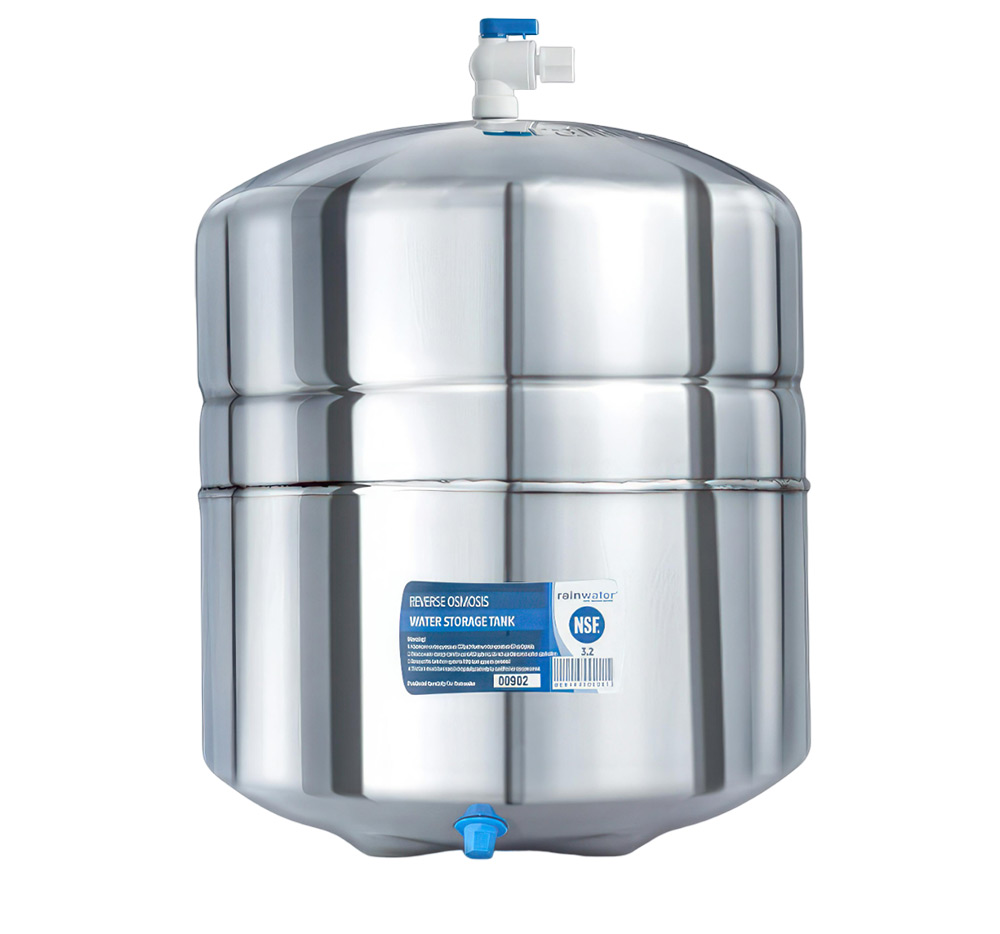
Your water stays healthy and safe at all times in a tank made of surgical-grade 304 stainless steel, the same material used in biomedical applications, which offers top-level corrosion resistance against rust and oxidation!
In healthcare and many other fields, stainless steel can be replaced by a range of alternative materials, and some of them even cost less. Yet stainless steel remains the material of choice because of the advantages it brings, which can be summarized as follows:
Excellent Corrosion Resistance: Resistance to corrosion is the main reason stainless steel is chosen in most of its applications, healthcare included. Strengthened with chromium and nickel, it can stay in service for many years even in environments that promote corrosion.
Simple to Sterilize: As noted earlier, medical items made from stainless steel are very easy to sterilize. Since its properties do not let harmful organisms settle and survive on its surface, stainless steel ensures hygiene in healthcare settings.
Kind to the Environment: Stainless steel is usually produced from recyclable scrap, and the material itself can be recycled as well. As a result, it causes no harm to nature once it reaches the end of its useful life.
Safe for Human Health: Items used in healthcare touch people’s mouths or internal organs, so the chosen metal must have no adverse effect on the human body. Because stainless steel is harmless to people, the grades used in the food industry help safeguard health.

 TR





 Brand
 Model
 +pH Level
 Purification Capacity
 Water Storage Tank
 Filtration Type
 Filter Quantity
 Filter Size
 Tank Size
 Water Tank Feature
 Colour
 Area of Use
 Extra Feature (Optional)
 Technology
 Distributor